








If you have a tween or teen, you’ve likely noticed just how much Snapchat dominates their social life. One feature they often fixate on is Snap streak. But what exactly are Snapstreaks, and why should parents pay attention to them?
What Exactly Is a Snapstreak?
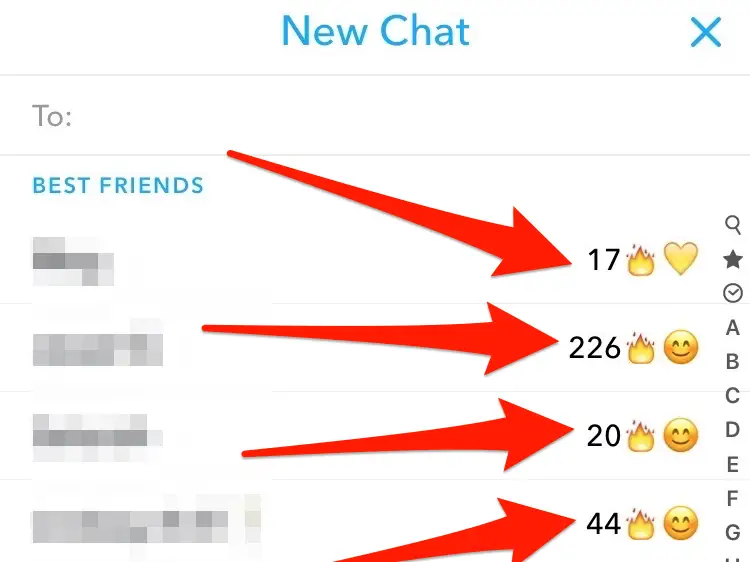
A Snapstreak is a running total of the number of consecutive days two users send each other Snaps—either pictures or videos. But among tweens and teens, Snapstreaks have come to mean much more.
Many kids use Snapstreaks as a way to measure the strength of a friendship, and they often display their streaks as a form of social currency or status within their peer groups.
Understanding Snap Streaks: How They Really Work

Snapstreaks require mutual participation: both users must send Snaps to maintain the streak. When Snaps are exchanged for three days in a row, a ???? emoji appears next to the conversation to mark the streak.
The number beside the flame indicates the number of consecutive days the streak has lasted. If neither person sends a Snap within 24 hours, the streak will end.
When a streak is close to expiring, a ⌛️ emoji appears as a reminder to send a Snap quickly, or the streak will be lost.
How Snapstreaks Can Strengthen Friendships
While Snapstreaks can raise concerns for parents, they aren’t entirely negative. Sending a Snap to someone every day can help maintain friendships and allow kids to share small moments of their day with others.
The concern arises when Snapstreaks start to dominate a child’s attention, taking up too much time or causing stress and emotional strain if they feel pressured to maintain them.
The Risks and Drawbacks of Snapstreaks
Here are some key issues parents should watch for when it comes to Snapstreaks:
1. Fear of Missing Out (FOMO)
Snapstreaks can intensify FOMO. While streaks are technically private, many teens share screenshots of their streaks, which can spark constant social comparison. This can make kids feel pressure to stay active on Snapchat, as missing a day may seem like falling behind socially. Research shows that FOMO is a major reason teenagers are drawn to social media in the first place.
2. Addictive Behaviour
Snapchat, like other social media platforms, is designed to keep users engaged. Features like Snapstreaks encourage daily activity, making it easy for teens to become hooked on the app. Parents should help children understand that these features are intentionally designed to grab attention and guide them toward healthy social media habits.
3. Negative Social Dynamics
Snapstreaks have also influenced teen social hierarchies. Some teens measure popularity by the number of streaks they maintain, which can lead to stress, obsession, or disappointment if a streak ends. This pressure can affect self-esteem and make relationships feel conditional on maintaining streaks.
The Real Price of Keeping Snapstreaks
Beyond the emotional and social impact, Snapstreaks can also have a real financial cost. If a streak expires, Snapchat allows users to restore it within a limited window.
For free accounts, users get one free Snapstreak restore. Those subscribed to Snapchat+ for $3.99 per month receive five free restores. After the free restores are used, each additional restore costs 99 cents.
While this may seem minor, imagine a teen with 50 Snapstreaks who gets grounded for 48 hours. Once they regain access to their phone, restoring all those streaks could become surprisingly expensive.
Conclusion
Snap Streaks may seem like a harmless way for teens to stay connected with friends, but they can carry hidden costs—social, emotional, and even financial. While maintaining streaks can help strengthen friendships, parents should be aware of the potential for FOMO, addictive behaviour, negative social pressure, and unexpected expenses.
The key is balance. By having open conversations about healthy social media use, setting limits when needed, and helping kids understand the value of real-life connections over virtual streaks, parents can guide their children to enjoy Snapchat safely and responsibly.