








Almost nobody quits a lawn care business because they couldn’t push a mower. They quit because the back-office stuff buried them. The unpaid invoice they forgot to send. The two jobs they accidentally booked for the same Tuesday. The winter where the phone went quiet and so did the bank account.
The mowing is the easy part. You can be cutting grass for money by this weekend with gear you already own or can borrow. What follows is the whole picture: the services to pick, what it actually costs to get going, how to register so you’re legal, how to price jobs without losing money, and how to keep yourself organized once you have more customers than you can track in your head.
Is a lawn care business even worth starting?
Honest answer: it depends on what you want out of it, and you should know the downsides before you buy a trailer.
The good parts are real. Startup costs are low compared to almost any other trade. There’s steady demand in most of the country. You’re outdoors, you’re your own boss, and you can see the results of your work at the end of every job. Plenty of people run a solo operation as a profitable side hustle and never grow past it on purpose.
The hard parts are also real. The work is physical and the season is short in a lot of states, so summer feasts and winter starves unless you plan for it. Some customers will haggle, complain, and try to talk you down on price. And if you ever hire help, you’ll learn fast that good lawn crews are hard to find and harder to keep.
Compared to full-scale landscaping, lawn care is cheaper to start and quicker to get rolling, which is exactly why so many people begin here.
If that trade-off sounds fine to you, keep reading.
Step 1: Decide what you’ll actually offer
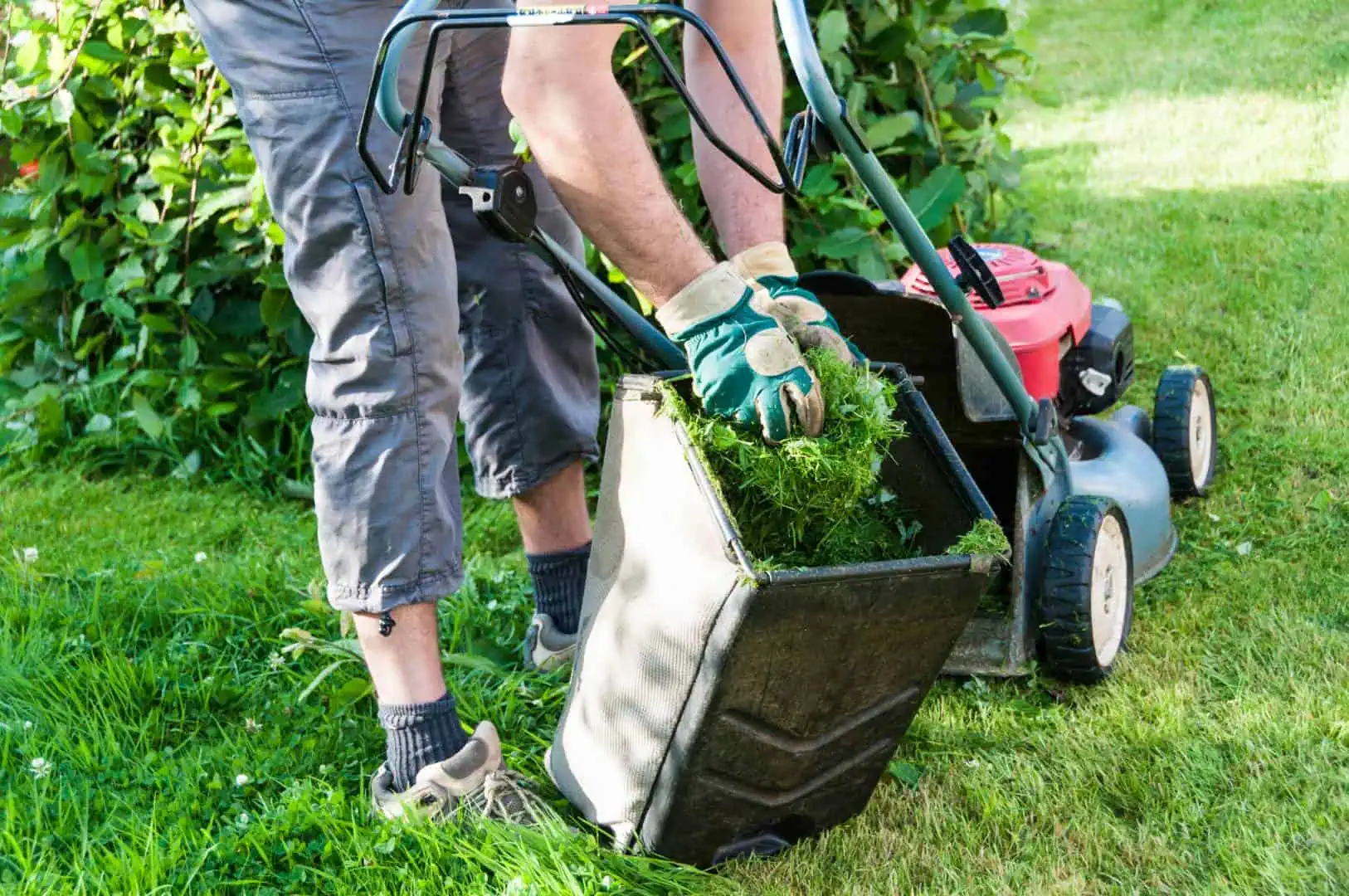
Start narrow. The classic starter package is mowing, edging, and blowing — the weekly maintenance most homeowners want, and the work you can do with the least gear. Get good at that, build a route, and add services once you know your customers.
The money tends to be in the add-ons you layer on later: fertilization, aeration, weed control, leaf cleanup in the fall, mulching in the spring. Each one raises what an existing customer is worth without you having to find a new one. You don’t need to offer everything on day one. You just need to mow well and show up when you said you would.
One early fork: residential or commercial. Residential is easier to start, faster to get paying, and more forgiving while you learn. Commercial accounts (offices, HOAs, retail lots) pay more and sign longer contracts, but they expect insurance, reliability, and a real bid before they’ll hand you the keys. Most people start residential and grow into commercial.
Step 2: The equipment you really need
Ignore anyone who tells you the list is long. Mower, trimmer, something to haul it, and you’re in business. The full version:
- A mower. A push mower is fine to begin with, even a used one. A zero-turn makes you faster and runs a few thousand dollars, but that’s an upgrade you earn later.
- A string trimmer for edges, fences, and spots the mower can’t reach.
- An edger or blower to clean up after. A trimmer can double as both when you’re starting.
- Two gas cans — a small one and a large one. The trimmer usually wants a gas-oil mix and the mower wants straight gas, so keep them separate.
- A way to haul it. A truck bed or a small trailer.
That’s it. Buy used, borrow what you can, and replace things with pro-grade gear after the business is paying for itself. There is nothing wrong with starting cheap. The pros who scoff at a borrowed mower all started with one.
Step 3: What it costs to start (real numbers for 2026)
People always want a single number, and there isn’t one, because it depends on whether you buy new or used and which licenses your state wants. Here’s a realistic range for a one-person operation getting off the ground.
| Item | Starting cheap (used) | Pro-grade (new) |
| Mower, trimmer, blower, gas cans | $1,000 – $3,000 | $6,000 – $12,000+ (incl. zero-turn) |
| Trailer (optional if you have a truck bed) | $0 – $1,500 (used) | $2,000 – $4,000 |
| Business registration / LLC filing | $50 – $500 (varies by state) | |
| General liability insurance | ~$45 – $60 / month (about $550 – $700 / year to start) | |
| Licenses (general + applicator if you spray) | $75 – $500 depending on state and services |
So the floor to start legally and small is in the low four figures, and you can spend a lot more if you want new equipment from day one. Insurance figures above reflect 2026 averages for a starting solo or small lawn operation; what you actually pay swings with your state, your services, and whether you have employees.
The smart move when you’re new is to start at the cheap end of the equipment column and upgrade as the work pays for it.
Step 4: Register your business and stay legal
This is the step people skip and regret. It isn’t hard, and getting it right protects everything you own.
First, decide on a structure. You can run as a sole proprietor, but most people set up an LLC because it separates your personal assets from the business if something goes wrong on a job.
Once you’ve picked a structure, you can register your business through your state and apply for an EIN from the IRS so you’re not handing out your Social Security number. Open a separate bank account while you’re at it. Mixing business and personal money is a headache you’ll feel at tax time.
Next, get insured. General liability insurance isn’t always required by law, but most commercial clients, property managers, and HOAs won’t let you on their property without proof of it. One flying rock from a string trimmer through a client’s window pays for years of premiums.
Here’s the one most new operators miss. If you plan to apply any chemicals — fertilizer, weed killer, or pesticide — you almost certainly need a separate state pesticide applicator license to do it legally. The rules and the cost vary by state, and “I didn’t know” is not a defense if a neighbor complains. If you’re only mowing to start, skip this and add it when you add chemical services. Just know it’s there before you spray anything.
Step 5: Price your jobs so you actually make money
Underpricing is the fastest way to work yourself to exhaustion for nothing. Here’s a simple way to set a rate.
Figure out roughly how long a job takes and multiply by an hourly rate you can live on. For residential lawns, most operators land somewhere around $40 to $80 an hour plus materials, adjusted for your area. A quarter-acre yard might take about an hour; add time for slopes, lots of trees, tricky access, or a customer who wants the clippings bagged, and raise the price to match.
The fastest way to learn the going rate is to look at what lawn care flyers and door hangers in your own neighborhood are charging.
For commercial bids, the math is similar but annual: your hourly rate times the size of the property times the number of cuts per season. Commercial clients usually want one yearly number, so do that multiplication up front.
One strategy worth building in from the start: recurring plans. Instead of pricing every visit one-off, offer weekly or monthly maintenance for a set rate. It smooths out that brutal seasonality, gives you predictable income, and means you’re not re-selling the same customer every single week. Recurring revenue is what turns a feast-or-famine grind into something you can actually plan around.
And hold your prices. If someone wants to grind you down on a quote, it’s usually a sign they’ll never be happy no matter how little they pay. Say no and put that time into a customer who values the work.
Step 6: Find your first customers
You don’t need a marketing budget to land your first ten lawns. You need to be visible where you already are.
Door hangers and flyers in the neighborhoods you want to work are still effective, and they have a hidden benefit: clustering customers close together cuts your drive time and lets you do more lawns per day. Set up a free Google Business Profile so you show up when someone nearby searches.
Ask every happy customer for a review and a referral, early and out loud, because word of mouth in a neighborhood travels fast. Neighborhood apps and local groups are worth a post too.
Pick a couple of these and actually do them consistently. A flyer you hand out every week beats a fancy plan you never execute.
Step 7: Set up the systems that keep you organized and paid
For your first few customers, a notebook and your phone are enough. That stops working faster than you’d think. Once you’ve got a dozen recurring clients, the cracks show: an invoice you forgot to send, a job you double-booked, a payment you’re still chasing three weeks later. That’s lost money, and it’s the exact stuff that makes people quit.
This is where a real tool earns its keep. A purpose-built lawn care software lets you schedule jobs, send estimates, and invoice straight from your phone in the field — which in practice is the difference between getting paid this week and chasing it next month.
The good ones also keep your customer history in one place, so you can see who gets serviced when, what you charged last time, and which invoices are still open. They’ll route your day too, so you’re not crisscrossing town.
If you’re a solo operator or a small crew, you don’t need a sprawling enterprise platform built for a 200-truck company. You want something lightweight and mobile-first that you’ll actually open on a job site with grass on your boots. The whole point is to spend less time on admin so you can spend more time mowing, and to make sure every job you finish turns into an invoice that actually gets paid.
Step 8: Plan how you’ll grow
Plenty of people stay a happy one-person operation forever, and that’s a perfectly good outcome. But if you want to grow, growth mostly comes in two flavors.
You can add services to make each customer worth more — pest control, tree work, aeration, light landscaping — without finding a single new client. Or you can hire and run multiple crews, which grows revenue but hands you a second job you didn’t have before: managing people.
Lawn labor churns, so you’ll be hiring and training more or less constantly. Neither path is wrong. Just go in knowing that a second truck roughly doubles your potential and your headaches at the same time, and decide which one you actually want.
Frequently asked questions
Do you need a license to start a lawn care business?
It depends on your state and what you offer. Most places require at least a general business license, which is usually easy to get. If you apply any chemicals (fertilizer, weed killer, pesticide), you’ll typically also need a separate state pesticide applicator license. Just mowing? You can often start with minimal licensing and add more as you expand.
How much does it cost to start a lawn care business?
A one-person operation can realistically start in the low four figures if you buy used equipment and your state’s licensing is cheap. Going new across the board, including a zero-turn mower and a trailer, can run past $10,000. Registration, insurance, and licenses add a few hundred dollars on top.
Can you start a lawn care business with no money?
Close to it. If you borrow a mower and trimmer and use a truck you already own, your real out-of-pocket cost is registration and insurance. Many people bootstrap exactly this way and reinvest their first paychecks into better gear.
Is a lawn care business profitable?
It can be, especially solo, where your overhead is low and most of what you charge is yours. Profit depends on pricing your jobs properly, keeping your route tight to cut drive time, and not letting unbilled invoices slip through the cracks.
Should I form an LLC or stay a sole proprietor?
Many people start as a sole proprietor for simplicity, but an LLC is popular because it separates your personal assets from the business if a job goes wrong. It’s worth talking to an accountant about your situation, but for a trade where you’re operating power equipment on other people’s property, the liability protection is the reason most operators choose an LLC.